



Roux - Pronounced "roo"- is the foundational skill behind every great French sauce, every proper gravy, and every real gumbo. One pan, two ingredients, three styles. If you've ever had a béchamel taste like raw flour or a gravy that just wouldn't thicken, this is the post that fixes that.

Jump to:
What is a Roux?
A roux is the backbone of classical sauce-making. It is a cooked mixture of equal parts flour and fat used as a thickening agent for everything from a Béchamel to a Velouté Sauce to a deep, dark-colored Gumbo.
While many home cooks reach for a measuring spoon, the secret here is to measure by weight, not volume. Failure to do this may result in a greasy sauce or a clumpy mess.
Chef Tip: A roux can be part of your mise en place. If you're making a chowder, cream soup, or sauce, prepare the roux before you begin cooking. Having this in place allows you to focus on building flavor instead of rushing through multiple steps at once.
Ingredients + Substitutions
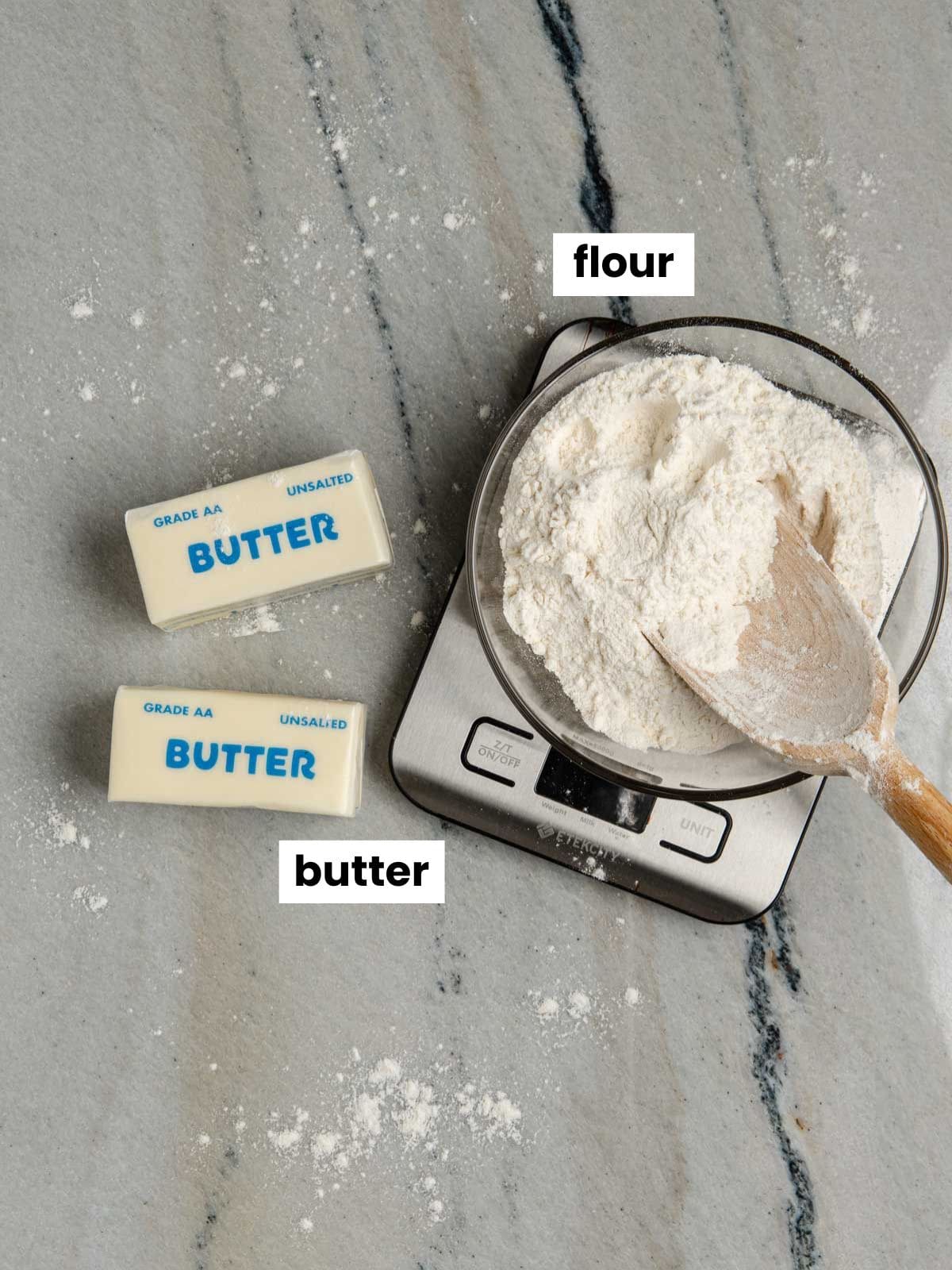
The Fat
- Unsalted Butter - Use it for white and blond roux. Whole butter contains milk solids, which start to burn around 300°F (150°C).
- Clarified butter (Ghee) - Butter with the milk solids removed. Smoke point is around 450°F (230°C). Use it for brown and dark roux to get the dark color without burning.
- Neutral Oil (Vegetable, Canola, or Lard) - The right choice for dark roux especially in Cajun and Creole Cooking. High smoke point, no dairy, this is what to use for Gumbo.
The Flour
- All-Purpose Flour - The right choice for all types of roux.
- Bread Flour - High in protein, less in starch. Not the best choice.
- Cake Flour - Lower in protein, more in starch. Thickens quickly, but can make sauces gummy.
- Rice Flour or GF Flour - Great gluten-free substitute. Thickening power is reduced, so add 20% more by weight.
See recipe card for quantities.
Types Of Roux
White Roux
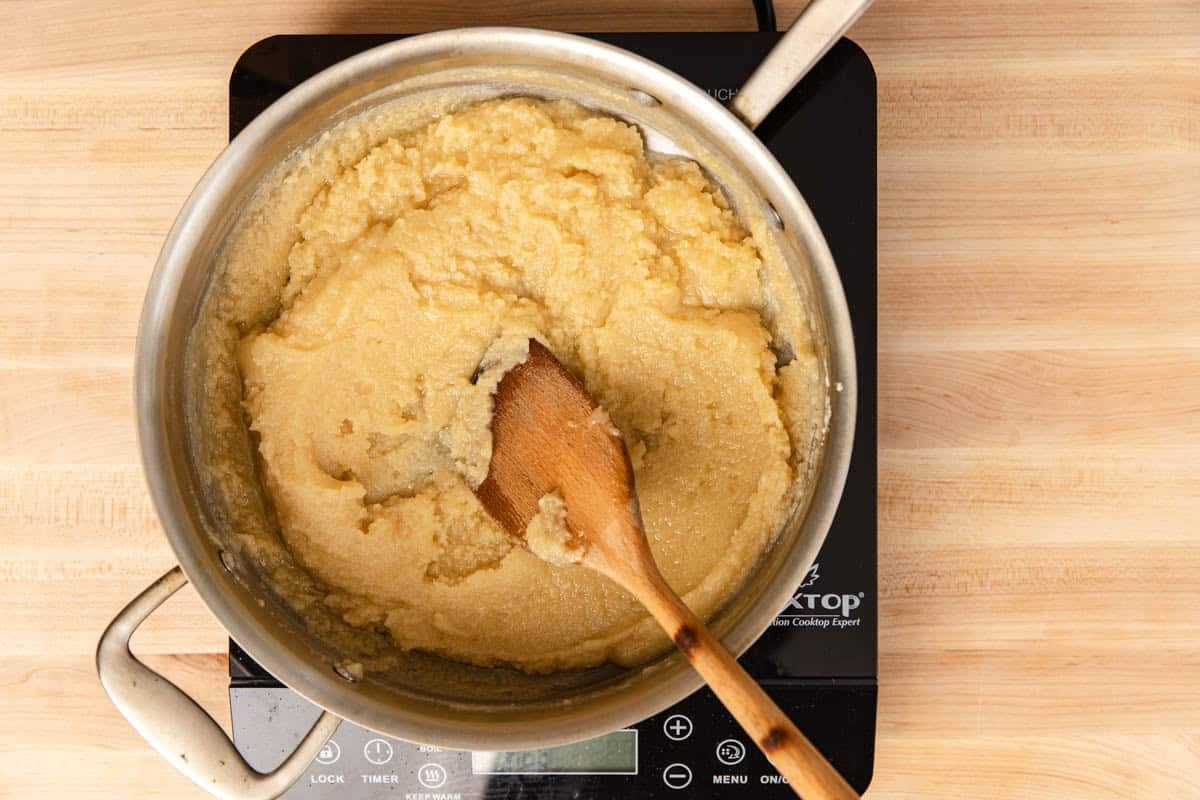
White roux is cooked briefly and is the most powerful thickener. It is used in white sauces, such as bechamel, or in dishes where little to no color is needed.
- Cook time: 2-3 minutes over medium heat
- Visual cue: Pale, slightly grainy paste. It looks like wet sand - no color.
- Aroma: Should smell like cooked pastry or pie crust. If it smells like raw flour, keep cooking.
- Thickening Power: Highest of all types.
- Uses: Bechamel, Mac & Cheese, Cream soups and chowders.
Blonde Roux
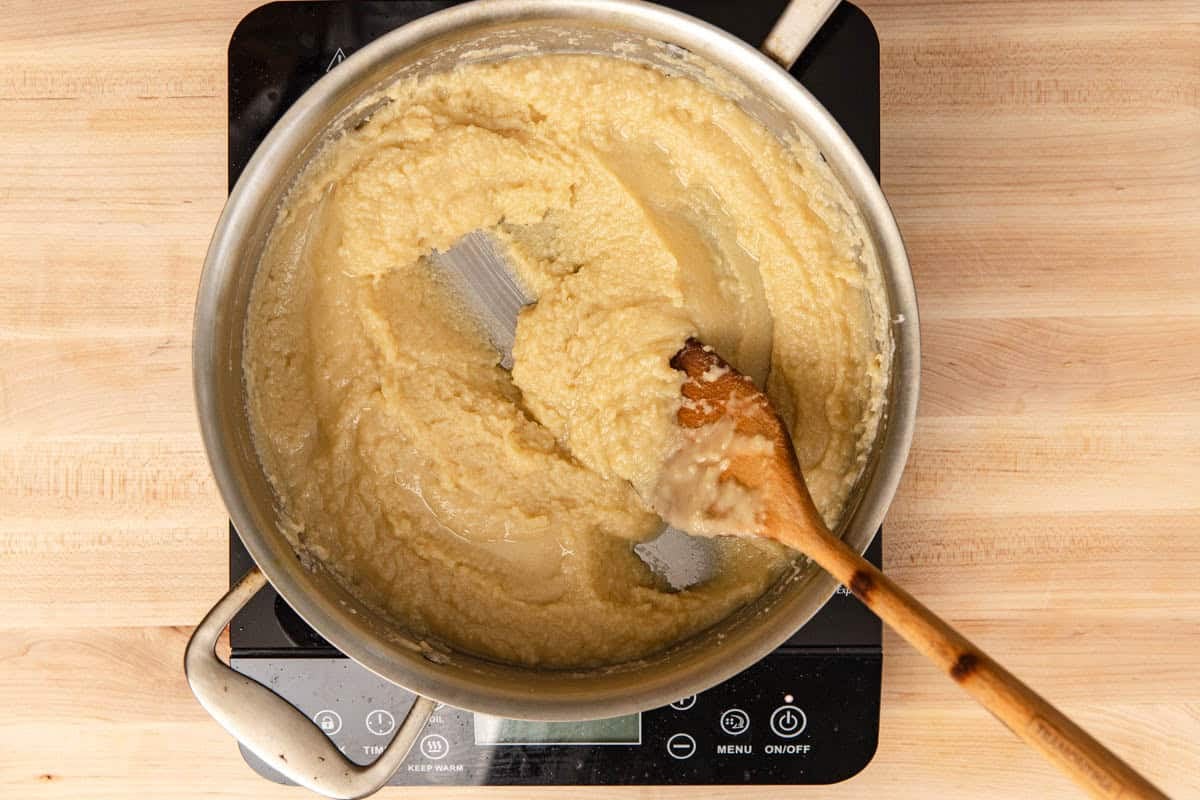
Blonde roux is cooked slightly longer than white roux, and will start to take on a peanut color. Blonde roux + white chicken stock = Velouté.
- Cook time: 5-7 minutes over medium to low heat.
- Visual cue: Light golden, or a blonde ale.
- Aroma: Slightly nutty
- Thickening Power: Less than white roux, but still very high.
- Uses: Velouté, chicken gravy, light sauces.
Brown Roux
A brown roux is cooked until it develops a darker color and nutty aroma. Since a brown roux is cooked longer it has less thickening power so you'll need to add more to your darker sauces.
- Cook time: 10-15 minutes over medium-low heat.
- Visual cue: Caramel color and look looser.
- Aroma: Rich and nutty, like hazelnuts.
- Thickening Power: Reduced by 20-25% compared to white roux. You'll need more roux to achieve the same sauce body.
- Uses: Brown roux + roasted chicken stock or veal stock is the base of Espagnole and brown sauce.
Dark Roux
A dark roux is unforgiving because you can go from brown to burnt if your not careful. The thickening power is virtually gone and what your left with is a smoky flavor great for seasoning gumbo.
- Cook time: 30-45 minutes over medium-low heat.
- Visual cue: Brick red to deep chocolate.
- Aroma: Smoky, and nutty. It should smell intense buy not burnt.
- Thickening Power: Minimal. The starches have been broken down by extended heat.
- Uses: Gumbo, Étouffée, Cajun/Creole dishes.
How To Make A Roux
- Mise En Place. Weigh your fat and flour to equal parts by weight.
- Melt the butter. In a heavy bottom pan (to prevent scorching) heat the butter or fat over a medium heat.
- Add the flour. Add all the flour and stir to form a paste.
- Cook your roux. Cook the paste over medium-low heat until the desired color is achieved. Use the visual and aroma cues for you roux type from the section above.
Save This Recipe!
Chef Tip: If you're cooking a dish that starts with a roux, your aromatics need to be prepped and ready before the pan goes on the heat. Brush up on your knife skills here.
Incorporating Roux Into A Liquid
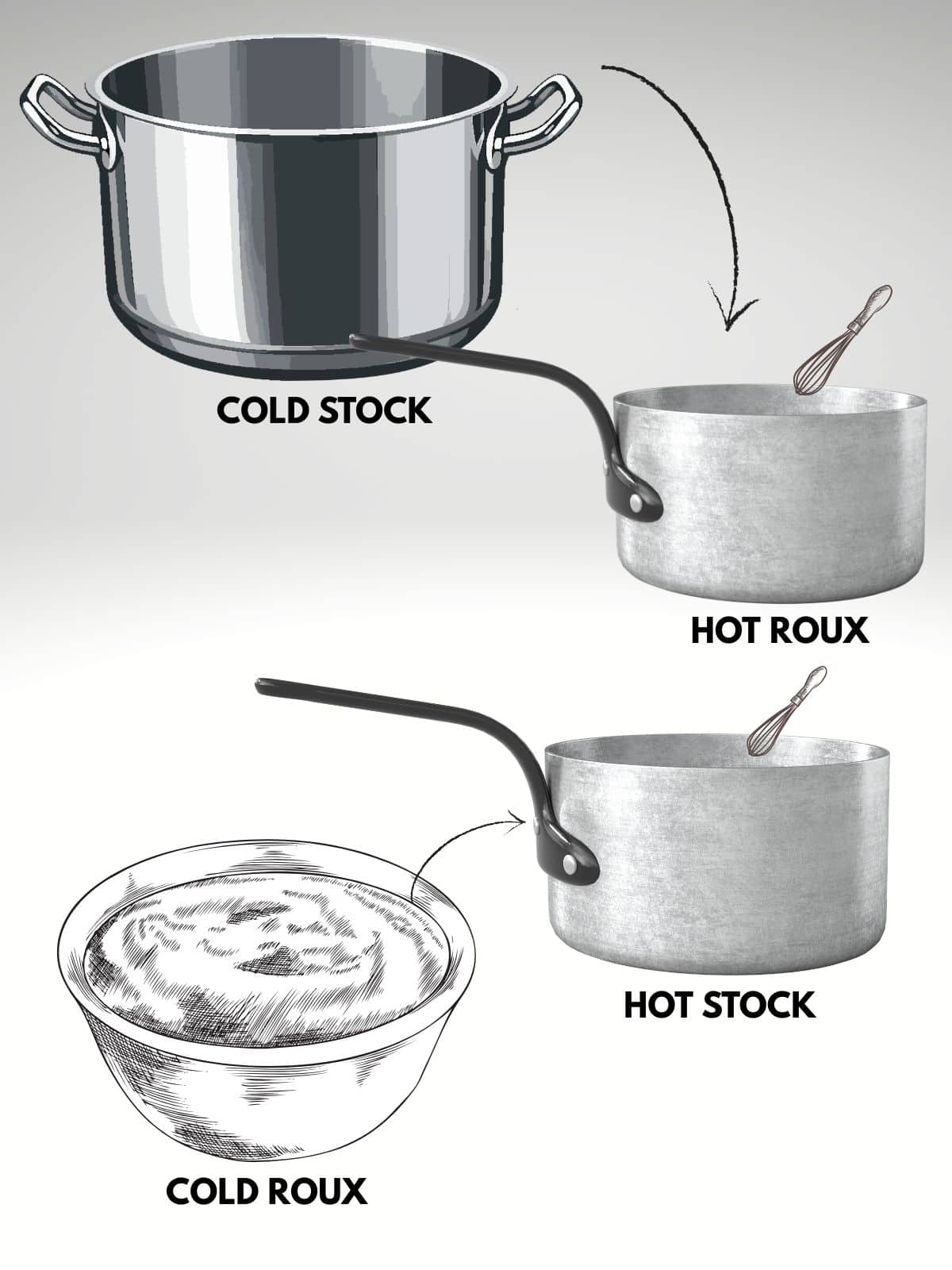
There are two ways to incorporate roux into a liquid without causing lumps:
- Cold stock can be added to the hot roux while stirring vigorously with a whisk.
- Room-temperature roux can be added to a hot stock while stirring vigorously with a whisk.
Make Ahead and Storage
In professional kitchens, large batches of roux is made to thicken sauces and soups.
Refrigerator: Store in an airtight container for up to 1 week.
Freezer: Portion into an ice cube tray, freeze solid, then transfer to a zip-lcok bag. Store in freezer for up to 3 months. 1 tablespoon roux, will thicken 1 cup of liquid.
Reheating: Melt gently in a saucepan over low heat before adding liquid. Do not microwave.
Tips For Making Roux
- Avoid using aluminum pots.
- Use heavy-bottom pots to prevent scorching.
- Add cold stock to hot roux, and cold roux to hot stock.
- The longer you cook a roux the less thickening power it has.
FAQ
There are two options: strain the sauce through a fine sieve, or use an immersion blender directly in the pot.
1:1 by weight. Two ounces of butter to two ounces of flour. Volume measurements are not accurate.
Yes. For brown and dark roux, you should. Use a neutral oil (canola, vegetable), lard, or rendered bacon fat.

📖 Recipe

How to Make a Roux (Video + Recipe)
Ingredients
- 4 ounces unsalted butter (114g)
- 4 ounces all-purpose flour (114g)
Instructions
- Melt the butter. In a heavy bottom pan (to prevent scorching) heat the butter or fat over a medium heat.
- Add the flour. Add all the flour and stir to form a paste. Cook the paste over medium-low heat until the desired color is achieved.
- White Roux: Cook for 2-3 minutes over a medium heat until it develops a frothy, bubbly appearance.
- Blonde Roux: Cook for 5-7 minutes over medium-low heat until it develops a peanut color and smells slightly nutty.
- Brown Roux: Cook for 10-15 minutes over medium-low heat until it reaches a milk chocolate brown and smell rich and nutty.
- Dark Roux: Cook for 30-35 minutes over medium-low heat until it reaches a dark chocolate color and smoky and nutty aroma.
Video
Notes
- Always measure by weight, not volume - 1 oz butter to 1 oz flour.
- Cook out the raw flour - white roux needs a minimum of 2-3 minutes. If it still smells like raw dough, it's not done. This is the #1 reason béchamel tastes floury.
- Darker roux = more flavor, less thickening power - the extended cooking time builds flavor while reducing the thickening power.
- Add warm liquid to hot roux - cold liquid hitting a hot roux causes lumps. Ladle it in gradually and whisk as you go.
- Switch your fat as you go darker - whole butter burns before you reach brown or dark. Use clarified butter or a neutral oil for anything past blonde.

Mike Cleavenger says
This is a great resource to use when making a roux.